
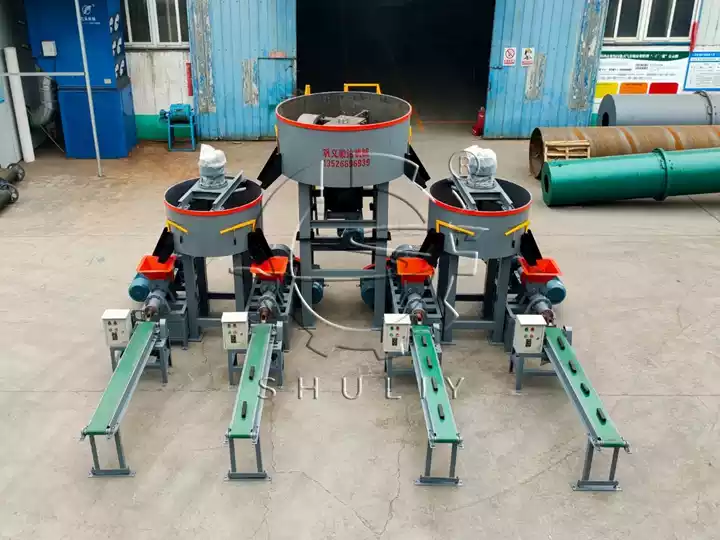
Biomass waste such as sawdust, coconut shells, and crop stalks can be turned into valuable shaped charcoal briquettes. Many biomass business owners are evaluating whether to upgrade their production setup. An automatic shaped charcoal briquette line converts raw agricultural waste into marketable fuel briquettes for BBQ, shisha, and industrial heating, bringing new profit opportunities for biomass processors.
How automatic shaped charcoal briquette line works?
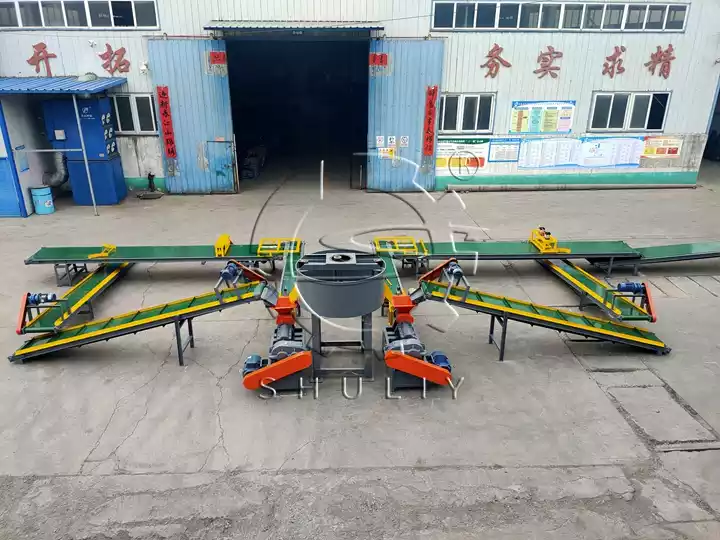
The complete production system includes mixers, conveyors, and briquette forming machines. Raw biomass materials go through crushing, mixing, pressing, and forming automatically. The whole line reduces manual operation and keeps a consistent briquette shape and density. Stable product quality makes it easier to meet export standards.
Turn waste into marketable products
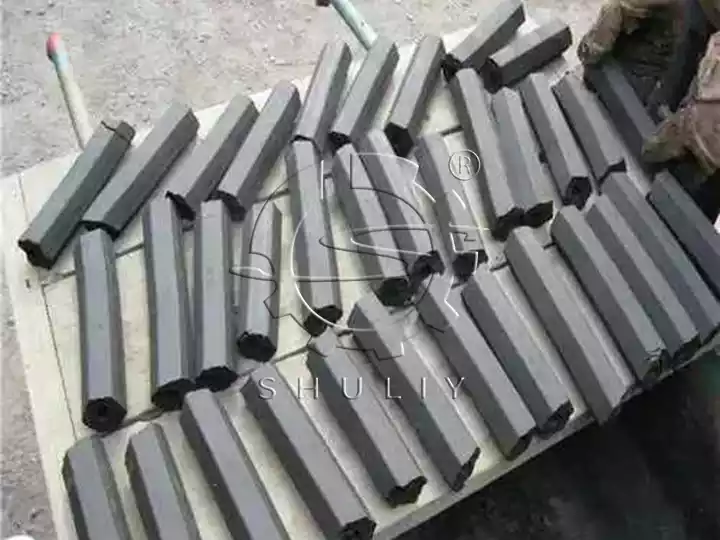
One of the biggest advantages is raw material availability. Wood scraps, coconut shells, and agricultural residues are usually low-cost or even free waste. This production line processes these waste materials into high-value shaped charcoal briquettes. The finished briquettes have clean-burning performance, which is widely demanded in global markets. It helps factories reduce waste disposal costs and create new revenue streams.
Lower labor and higher output
Compared with semi-manual briquette making, this automatic line requires fewer workers. Continuous running greatly raises daily production capacity. More finished briquettes mean you can accept larger bulk orders. Lower labor cost plus higher output directly improves profit margins for biomass enterprises.
Points to consider before purchase
Before buying, check your local raw material supply, site space, and target market demands. Different materials require slight adjustments for best forming results. For biomass entrepreneurs with stable raw material sources, investing in this full set of equipment is a practical and promising choice.
In conclusion, the automatic shaped charcoal briquette line offers a feasible way to reuse biomass waste and produce saleable charcoal briquettes. For qualified biomass businesses, it can be a rewarding long-term investment.