
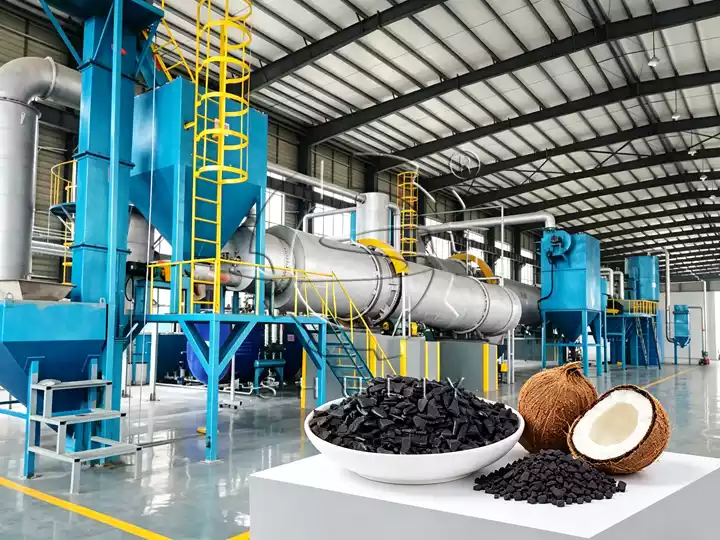
A reliable coconut shell activated carbon rotary kiln is critical for producing high-quality coconut shell activated carbon. Coconut shell activated carbon gains wide popularity for its high purity, dense pore structure and strong adsorption performance. It is extensively used in water purification, air treatment, food processing and chemical filtration industries.
Compared with coal or wood-based carbon production, coconut shell carbon requires stricter and more stable steam activation conditions. The performance of your coconut shell rotary activation furnace directly affects product quality, yield rate and overall plant profits. This article shares practical selection tips for first-time buyers and factory upgraders.
Match kiln capacity with production scale
Capacity matching is the first principle of equipment selection. Unmatched output will cause either equipment waste or unstable production.
- Small and intermittent production: Choose flexible rotary kilns that support fast start-stop and short warming time
- Large-scale 24h production: Adopt high-stability rotary kilns with continuous and stable output
Always confirm your daily output target first, then select a qualified coconut shell activated carbon rotary kiln with matched processing capacity.
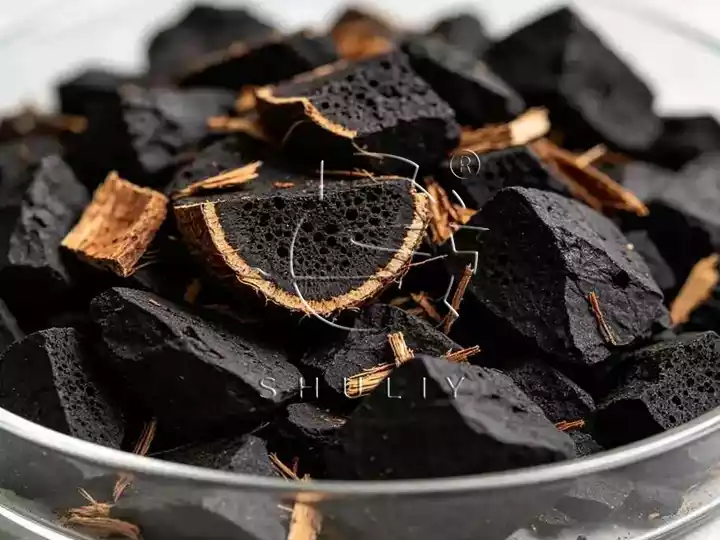
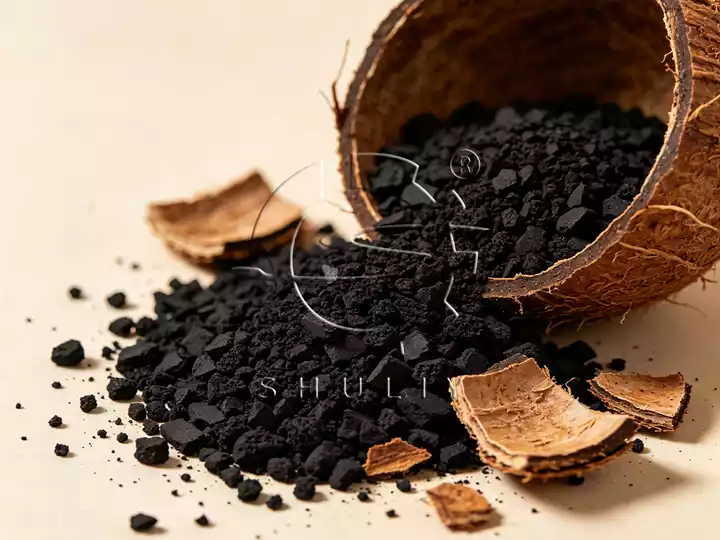
Choose qualified coconut shell activated carbon rotary kiln
Coconut shell charcoal has high hardness and dense texture. It cannot be processed with ordinary biomass kilns. A professional coconut shell activated carbon rotary kiln is specially optimized for coconut shell raw material characteristics.
Qualified kiln equipment must meet the following core process standards:
- Stable activation temperature: 800℃–1050℃
- Adjustable material residence time: 60–120 minutes
- Precise steam supply control for uniform pore formation
These adjustable parameters effectively improve iodine value and methylene blue value, while reducing material burn-off and production loss.
Focus on heating and temperature control performance
Temperature stability determines the consistency of finished coconut shell carbon. Poor temperature control leads to uneven pores and low adsorption performance.
- External heating design: No open flame contact, protects carbon hardness and reduces breakage rate
- PLC frequency conversion control: Automatically adjusts temperature, rotating speed and steam volume
- Low temperature fluctuation: Ensures consistent quality for every production batch
A high-precision coconut shell activated carbon rotary kiln greatly lowers manual operation errors and improves product qualification rate.
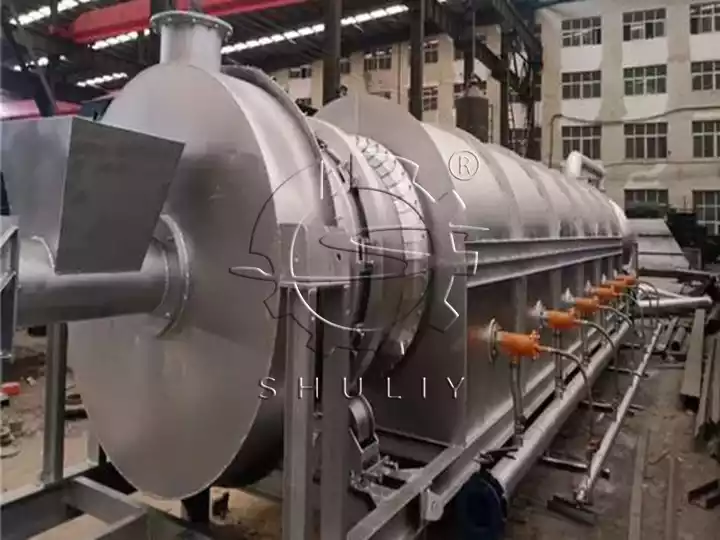
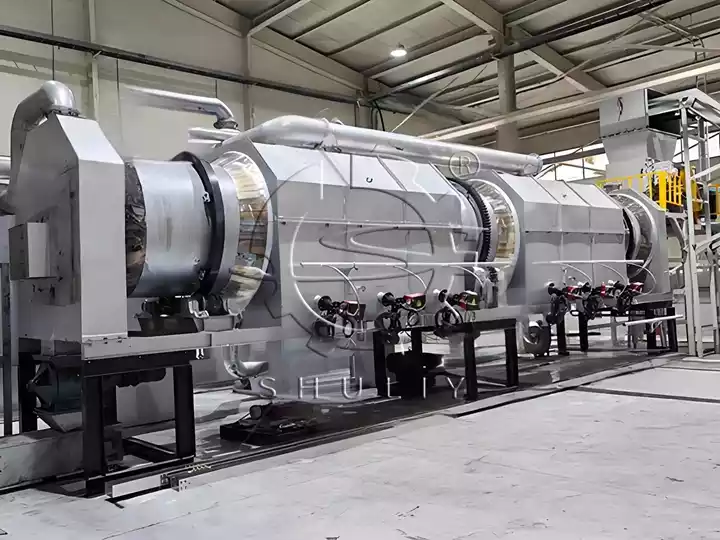
Check environmental and operational adaptability
Modern activated carbon factories must balance production efficiency and environmental compliance. When selecting equipment, check two key indicators:
- Complete flue gas treatment system: Equipped with incineration, dust removal and spray scrubbing devices to meet emission standards
- Adaptable production mode: Supports intermittent start-stop or 24-hour continuous operation according to factory demands
For factories with irregular production schedules, select a flexible coconut shell activated carbon rotary kiln with quick heating and stable restart performance.
Evaluate after-sales and customization support
Activated carbon kiln is long-term industrial equipment. Price should not be the only consideration. Professional after-sales service guarantees long-term stable operation.
- Free on-site operation training for workers
- Regular maintenance guidance and wearing parts support
- Customized kiln parameters according to raw material moisture and ash content
Final selection tips for new plants
To select the best rotary kiln for coconut shell activated carbon production, focus on comprehensive performance rather than low price:
- Match equipment capacity with your actual production scale
- Prioritize precise temperature control and stable activation performance
- Verify environmental protection configuration and operation flexibility
- Choose manufacturers with mature customization and after-sales system
A properly selected coconut shell activated carbon rotary kiln can effectively reduce production costs, upgrade carbon quality, and bring long-term stable profits for your activated carbon plant.